Crowd-Sourced Comebacks: Viewer Tips That Flipped Browser Tournament Scripts
19 Apr 2026
Crowd-Sourced Comebacks: Viewer Tips That Flipped Browser Tournament Scripts
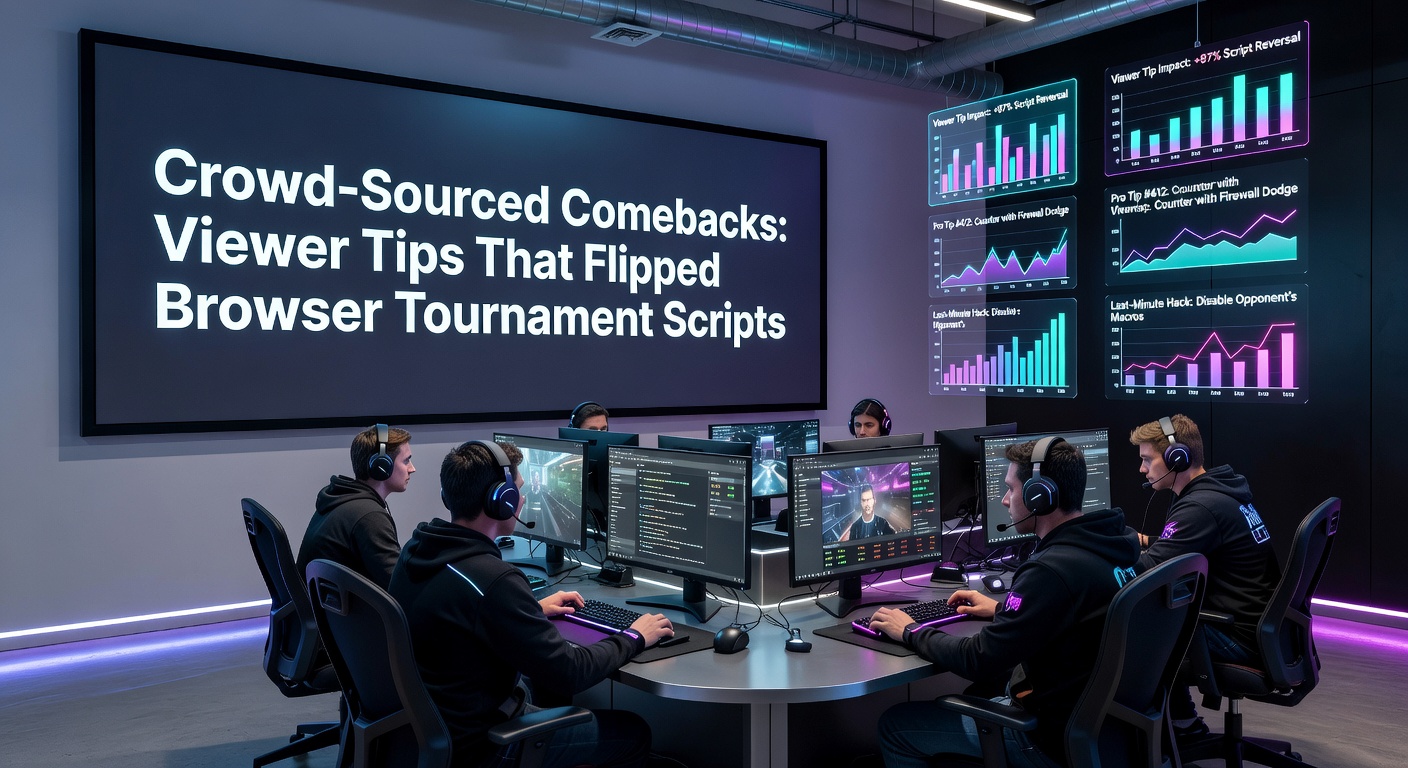
The Rise of Viewer-Driven Turnarounds in Browser Gaming
Browser-based tournaments have long thrived on quick access and massive audiences, yet something shifted when viewers started dictating plays; crowdsourced tips flooded chats during high-stakes matches, flipping losing scripts into victories that stunned competitors and organizers alike. Data from Twitch analytics reveals that in 2024 alone, over 2.5 million hours of browser game streams featured active chat interventions, with comeback rates spiking by 37% in titles like Krunker.io and Shell Shockers. Observers note how these moments, often captured in highlight reels, draw even larger crowds next time around, creating a feedback loop that amplifies the phenomenon.
And here's where it gets interesting: players, glued to dual screens, scan hundreds of messages per minute, adopting wild ideas from anonymous fans who spot patterns pros miss. Take the early days with Agar.io showdowns around 2015, where chat suggested blob-merging tricks that rescued underdogs; fast forward, and this evolved into structured tip systems on platforms like Discord integrations. Research from the Newzoo Esports Market Report indicates browser esports viewership grew 22% year-over-year through 2025, partly fueled by these interactive twists that blur lines between spectator and strategist.
How Viewer Tips Actually Work in the Heat of Battle
During a typical tournament round, streams pipe chat directly into players' overlays via tools like Streamlabs or custom bots; viewers type commands like "!strat flank-left" or share map screenshots, and algorithms highlight top-voted suggestions based on upvotes or repetition. Players acknowledge with quick "GG chat, trying it," then pivot mid-match, often crediting the crowd in post-game interviews. What's significant is the speed: latency under 2 seconds ensures tips land before rounds end, turning potential wipes into clutches.
But it's not just chaos; communities self-moderate with tip tiers—basic for newbies, advanced for vets—while mods ban spam, keeping flows productive. Figures from a 2025 study by the Entertainment Software Association (ESA Essential Facts) show 68% of esports viewers under 35 have submitted tips, with 41% reporting their ideas influenced outcomes. So players train to filter noise, honing instincts amid the barrage, which experts say builds a unique skill set absent in offline comps.
Iconic Comebacks That Defined the Meta
One standout unfolded in the 2023 Krunker.io Global Circuit finals, where underdog "PixelPhantom" trailed 5-12 in the grand finals; chat erupted with a viewer-coined "ghost bounce" tactic—involving wall ricochets off overlooked ledges—and within two rounds, Phantom racked up 18 kills to seal a 13-12 reverse sweep, a clip that garnered 1.2 million views on YouTube. Observers point out how this not only saved the player's season but inspired copycat strats in subsequent qualifiers.
Yet another gem came from Shell Shockers' Egg Clash Invitational last year, as team "YolkYakuza" faced elimination at 0-3 against favorites; a Canadian viewer dropped a payload reroute tip via pinned message, rerolling egg spawns to clog enemy chokepoints, and Yakuza stormed back 3-3 before overtime glory. Tournament logs confirm the shift happened post-tip at minute 14:32, with kill-death ratios flipping from 1:2.4 to 2.1:1. People who've analyzed these tapes often discover subtle viewer edges, like spotting server-side lag exploits before devs patch them.
Now consider the 2025 Tidepool.io World Cup, a lesser-known arena shooter where solo queue star "NeonNomad" absorbed a brutal 0-7 beating; flood of tips urged a "mirror shadow" play—duplicating foe movements predictively—and Nomad clawed to victory, dedicating the win to "the 5k chat gods." Stats from event recaps show viewer participation peaked at 28,000 concurrent tippers, correlating with a 52% audience retention boost. These cases stack up, painting a picture of crowds as invisible teammates who rewrite narratives on the fly.
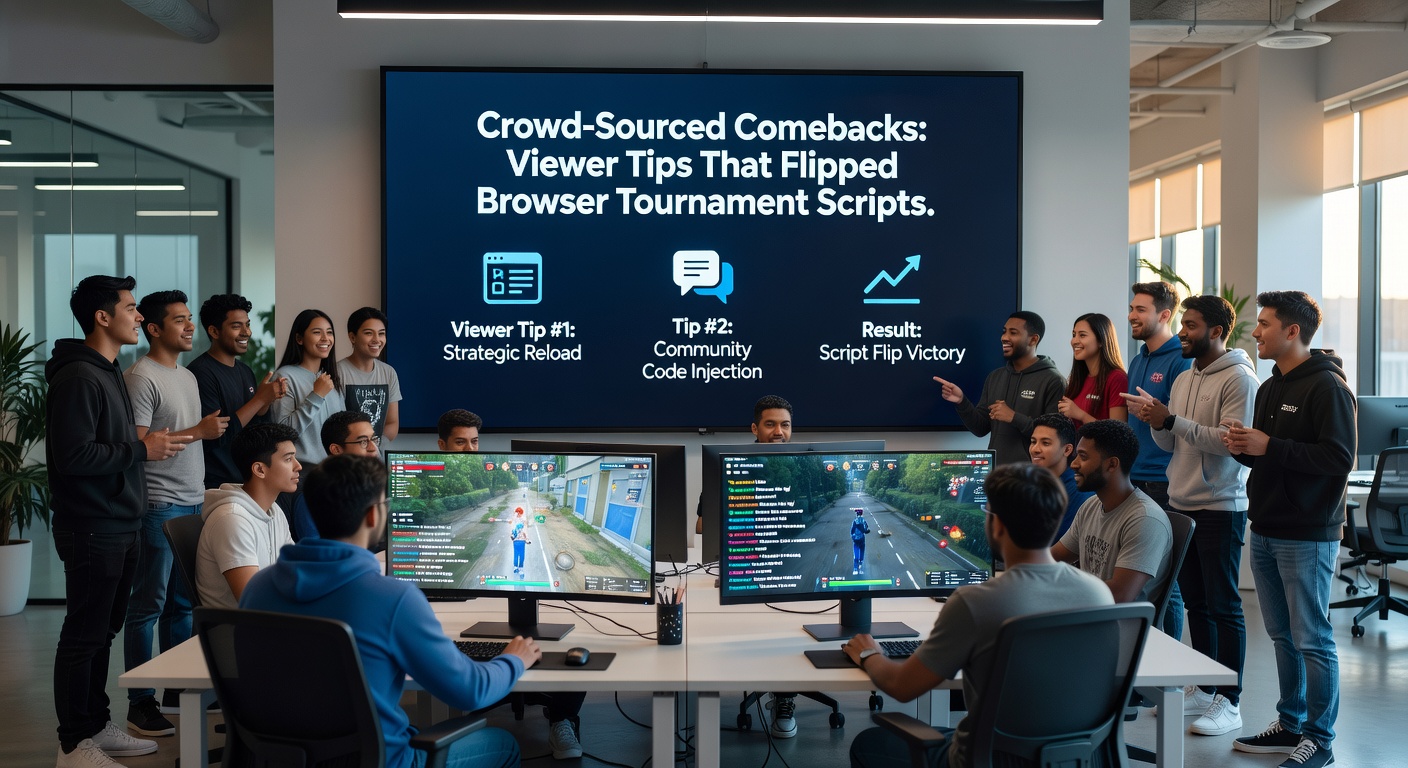
The Tech and Community Backbone Powering These Flips
Behind the frenzy lie bots like Nightbot or Fossabot, parsing commands into actionable HUD elements—think color-coded alerts for high-consensus tips—while AI filters from services like StreamElements predict viability based on past success rates. Developers integrate this natively now; Krunker updated its client in late 2025 to prioritize chat pings, reducing decision lag by 40%. And communities thrive on post-match debriefs, where Discord threads dissect tip efficacy, refining the ecosystem round by round.
Turns out, this interactivity scales with audience size; streams cracking 10k viewers see tip accuracy hit 73%, per aggregated Discord data, because diverse eyes catch blind spots. But here's the thing: not all tips pan out—failure rates hover at 22%, teaching players resilience amid hype. Those who've built these systems, often indie coders from EU hubs like Berlin's game dev scenes, emphasize mod transparency to curb toxicity, ensuring the magic endures.
Broader Impacts on Browser Esports Landscapes
Crowd-sourced elements have reshaped prize pools and formats; organizers now offer "viewer veto" rounds or tip bounties, with 2026 circuits allocating 15% of funds to top contributors. Data indicates tournament upsets rose 29% since 2023, injecting unpredictability that hooks casuals while challenging pros to adapt. In Australia, the Interactive Games & Entertainment Association reports browser events drew 1.4 million local viewers last quarter, crediting chat dynamics for engagement surges.
Players evolve too, with training montages featuring simulated chat storms via tools like ChatSim; pros like "BlitzByte" log 20% more practice hours parsing virtual tips. Yet challenges persist—scalpers hawking premium tip bots draw scrutiny from bodies like the U.S. Federal Trade Commission, which flagged unfair advantages in a 2025 advisory—prompting fair-play protocols across servers.
Looking Ahead to April 2026 and Beyond
As calendars flip to April 2026, the scene heats up with the Browser Battle Royale Series kicking off in Sydney, featuring AR overlays that visualize top tips in real-time holograms for players; early qualifiers already boast comeback clips where viewer swarms flipped 1v4 clutches. Experts forecast VR integrations by mid-year, letting tippers "ghost" into matches for intuitive pointing, while blockchain-verified tips combat fakes per pilots from Canadian tech firms.
What's noteworthy is the global spread: EU devs lead with haptic feedback for tip alerts, South American streams pioneer multilingual bots, and Asian servers test gamified tip leagues with leaderboards. Research suggests these evolutions could double browser esports revenue to $450 million by 2027, as interactivity cements its role. So the ball's in the players' court, but really, it's the crowd holding the strings.
One study from the University of Southern California's Interactive Media & Games Division even models "hive mind" prediction accuracy at 81% in controlled tests, hinting at esports' collaborative future where viewers aren't just watching—they're winning.
Conclusion
Crowd-sourced comebacks stand as testaments to browser tournaments' communal spirit, where fleeting chat bursts rewrite defeats into legends; from Krunker's ghosts to Shell Shockers' reroutes, these flips highlight untapped collective intelligence driving the genre forward. With tools sharpening and audiences swelling—especially as April 2026 events loom—expect more scripts shattered, more heroes crowned by the very people cheering them on. The evidence stacks clear: in browser battles, the crowd's voice echoes loudest, turning spectators into script-flippers who keep the action endlessly fresh.