29 May 2026
Silent Signals: Non-Verbal Cues in Text-Only Browser Multiplayer Environments
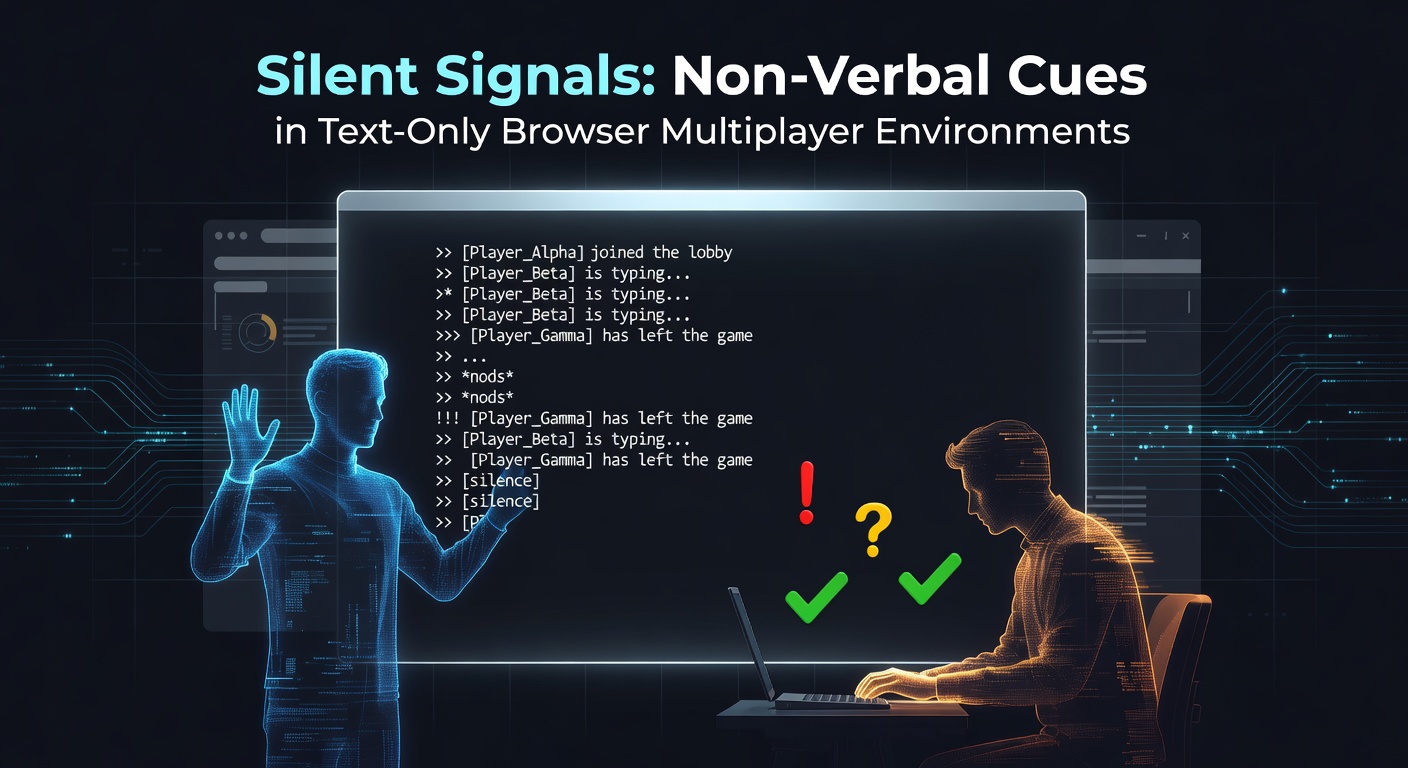 Text-only browser multiplayer environments rely on written messages alone for coordination, yet players develop intricate systems of non-verbal cues through deliberate choices in timing, punctuation, capitalization, spacing, and message length. These signals convey urgency, agreement, deception, or alliance formation without any visual avatars or voice channels. Observers note that such patterns emerge consistently across games where chat serves as the sole interaction layer, and data from browser-based tournaments indicates their growing influence on team outcomes. Researchers at academic institutions have documented how players interpret rapid successive messages as indicators of excitement or warning, while delayed responses often signal hesitation or strategic waiting. In competitive settings, capitalization shifts within sentences highlight specific terms to draw attention without explicit calls for focus. Spacing between words or lines creates visual pauses that mimic emphasis in spoken language, and these techniques appear repeatedly in archived match logs from events held during May 2026.
Core Mechanisms of Text-Based Signaling
Players establish shared vocabularies of cues through repeated exposure rather than formal rules. A single exclamation mark appended to a location name might indicate immediate movement, whereas multiple question marks in sequence prompt clarification from teammates. Ellipses function as placeholders for ongoing observation, allowing groups to maintain presence without committing to full statements. Those who study multiplayer logs find that shorter messages correlate with high-pressure moments, while longer constructions appear during planning phases when precision matters more than speed.
Timing between messages provides another layer of information. Quick replies within seconds often confirm receipt and agreement, but extended gaps suggest independent decision-making or external distractions. In browser environments where server timestamps remain visible, participants track these intervals to gauge reliability. Studies from institutions such as the IGI Global research network show that teams synchronizing around consistent response windows achieve higher coordination scores in simulated scenarios.
Application in Tournament Play During May 2026
Browser multiplayer tournaments throughout May 2026 featured extensive use of these cues in elimination brackets and alliance rounds. Participants in text-only lobbies used repeated lowercase entries to signal stealth approaches, reserving uppercase bursts for alerts about incoming threats. Punctuation clusters served as shorthand codes that evolved mid-match, forcing opponents to decipher patterns on the fly. Tournament organizers recorded thousands of chat instances, revealing that successful squads maintained internal lexicons updated between rounds.
One documented case involved a European squad that employed double periods to mark resource handoffs, a method that remained opaque to rivals monitoring public channels. North American teams countered with strategic line breaks that separated instructions into visual tiers, creating layered meaning within single posts. Data collected across these events demonstrates measurable differences in win rates between groups fluent in cue interpretation and those relying solely on literal content.
Learning and Adaptation Patterns
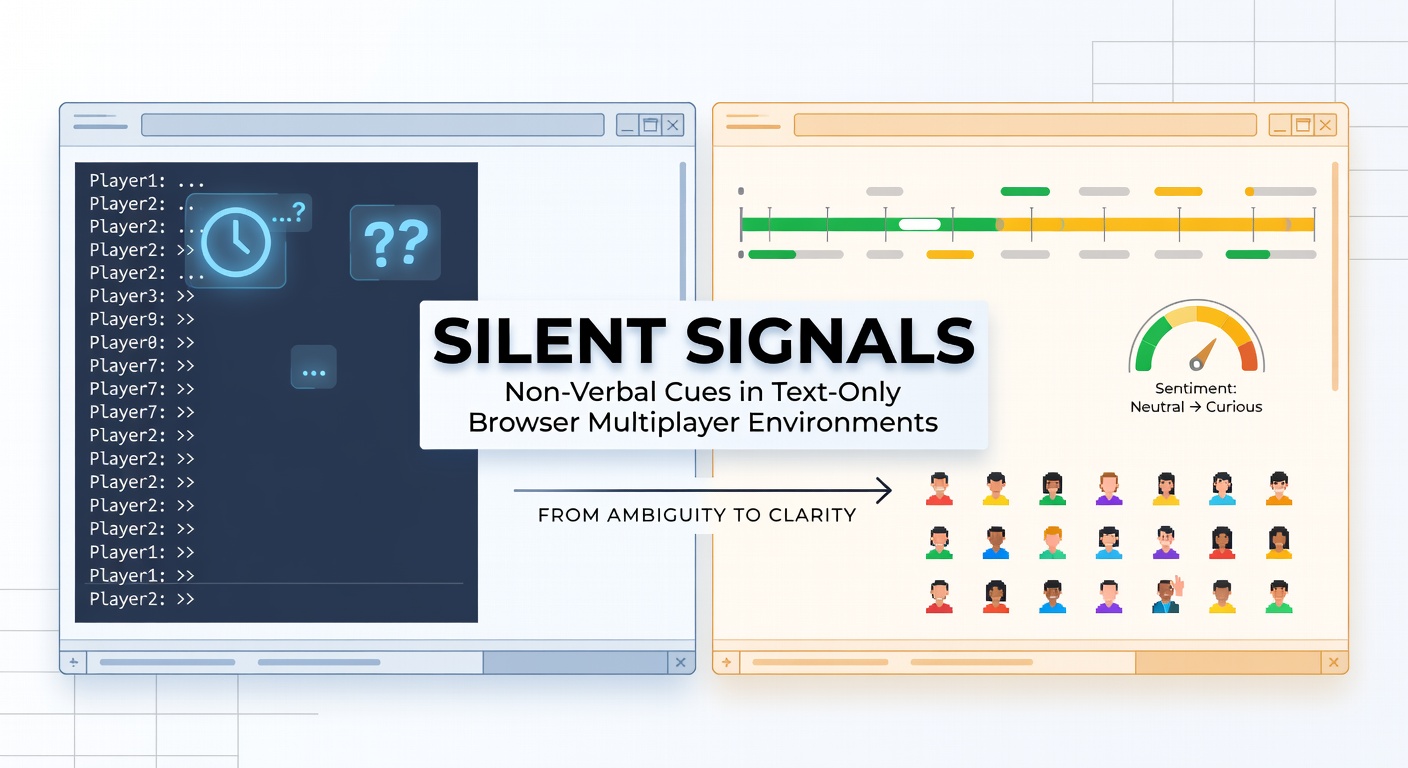
New players acquire these signals through observation and trial within active lobbies. Mentorship occurs implicitly when experienced participants mirror specific formatting styles until newcomers replicate them accurately. Community forums compile examples from public matches, yet the most effective cues remain context-dependent and shift as opponents adapt. Reports from industry groups such as the Entertainment Software Association indicate that browser game developers have begun incorporating optional timestamp granularity to support clearer timing-based communication.
Deception adds complexity when players deliberately misuse established cues to mislead. A message formatted like an agreement might precede a betrayal, training teams to cross-reference signals with observed actions. Those analyzing match replays note that consistent players build credibility over multiple sessions, allowing their cues to carry greater weight during critical moments.
Technical Constraints and Platform Influences
Browser limitations shape which cues prove viable. Character count restrictions encourage abbreviation systems, while refresh rates affect perceived timing. Some platforms strip extra spaces or standardize capitalization, prompting players to substitute symbols or repeated characters instead. Canadian research initiatives on digital interaction have examined how these technical filters alter cue effectiveness compared to unrestricted chat systems.
Cross-regional play introduces additional variables as language backgrounds influence punctuation habits and abbreviation preferences. Teams that compete across time zones develop hybrid signaling methods that blend elements from multiple styles, increasing the cognitive load during live matches.
Conclusion
Non-verbal cues in text-only browser multiplayer environments function as an evolved communication layer that persists despite the absence of visual or auditory channels. Tournament records from May 2026, combined with findings from organizations tracking digital interaction patterns, confirm that mastery of timing, punctuation, and formatting directly influences coordination and competitive results. As browser platforms continue to host large-scale events, these signaling systems expand in sophistication while remaining grounded in observable message characteristics rather than external tools.