12 Jun 2026
Unexpected Alliance Mechanics: How Resource Trading Networks in Mobile Strategy Titles Alter Competitive Outcomes Across Global Servers
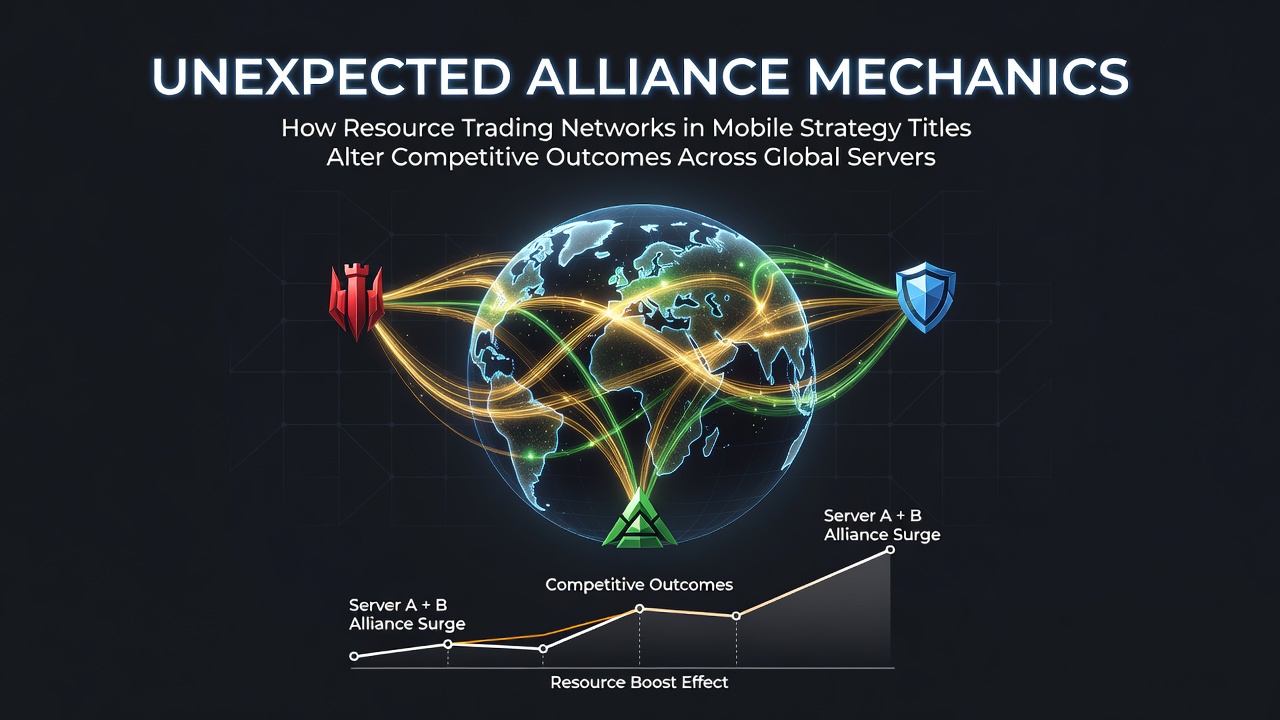
Resource trading networks in mobile strategy titles create pathways for players to exchange materials such as wood, stone, and rare artifacts that directly influence base development and troop production, and these systems operate across servers that connect participants from multiple continents. Data from industry reports indicate that such networks often form when players identify mutual benefits in sharing surplus resources during events that require coordinated upgrades, while competitive rankings shift as a result of these exchanges. In June 2026 analysts tracked increased trading volumes on servers hosting titles like Rise of Kingdoms and State of Survival, where participants leveraged in-game marketplaces to bypass standard progression timers.
Core Mechanics Driving Resource Exchanges
Mobile strategy games incorporate trading features that allow direct transfers between guild members or temporary allies, and these functions rely on encrypted server protocols to prevent exploitation. Players initiate trades through menu interfaces that calculate value based on current market rates within each server cluster, yet unexpected alliances emerge when rivals agree to terms that include future repayment clauses tied to event rewards. Research from the Entertainment Software Association shows participation rates in trading systems climbed steadily through early 2026, driven by seasonal updates that introduced limited-time resources unavailable through solo play.
Mechanics vary by title but commonly include cooldown periods and alliance verification steps that restrict cross-server deals to verified accounts. Observers note that these safeguards encourage longer-term partnerships rather than one-off deals, because repeated trades build trust metrics visible in player profiles. Those who study server logs report that alliances formed around resource sharing frequently expand into joint raid groups, which then dominate leaderboards for weeks at a time.
Formation of Unexpected Alliances
Alliances arise when players on opposing factions detect complementary resource shortages and surpluses through public chat channels or guild recruitment posts, and these connections bypass traditional enemy designations. In several documented cases from June 2026, top-ranked players on North American servers extended trading offers to European competitors facing material deficits during global events, resulting in temporary pacts that altered daily rankings. Such arrangements typically involve escrow-like systems built into the game client that release resources only after both parties confirm delivery.
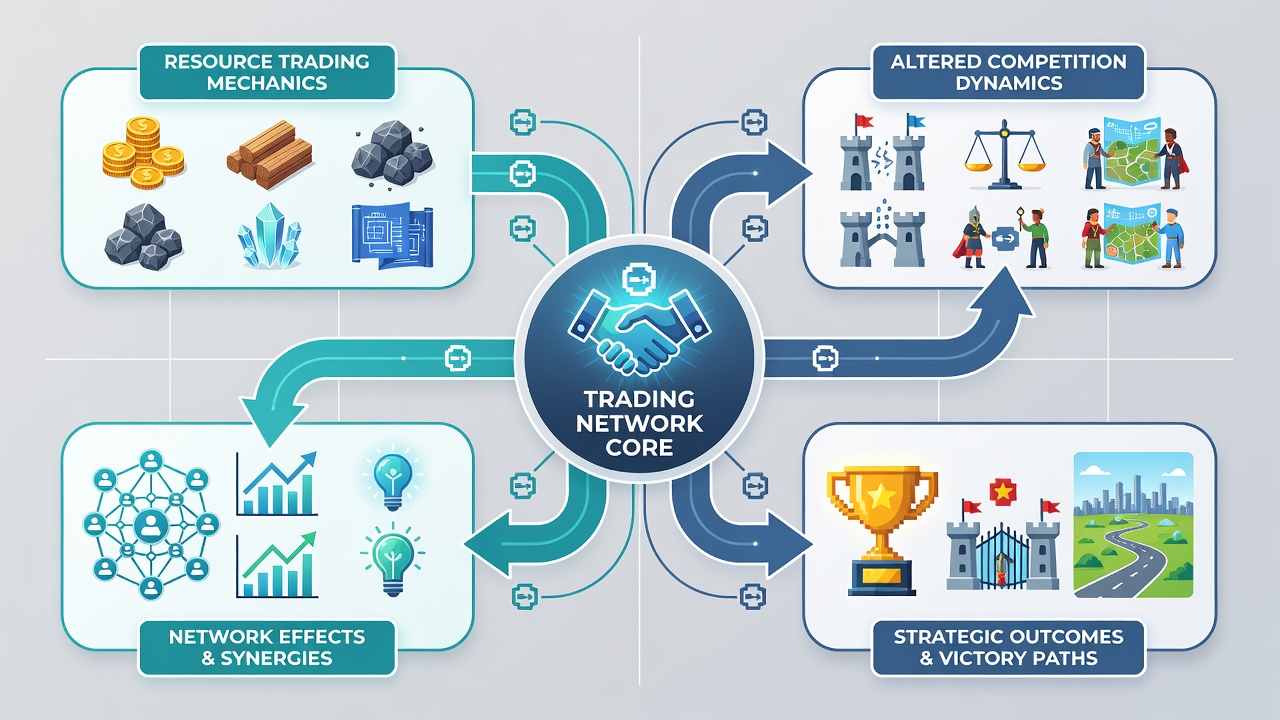
Network analysis conducted by academic researchers at the University of Melbourne reveals that trading graphs in these games exhibit small-world properties, meaning most participants connect through short chains of intermediaries even when they start as strangers. This structure allows isolated players to access high-value resources via indirect routes, which in turn accelerates their ability to field competitive armies sooner than solo progression would permit. Figures from teh Interactive Games & Entertainment Association of Australia confirm similar patterns on Oceania servers during the same period.
Effects on Competitive Outcomes
Competitive outcomes change when resource trading networks redistribute materials in ways that equalize access across skill levels, and this redistribution often narrows gaps between established guilds and emerging groups. Server-wide tournaments held in mid-2026 demonstrated measurable shifts in win rates after trading volumes spiked, because participants who secured steady material inflows maintained higher uptime on defensive structures. Data indicates that alliances crossing language barriers or regional time zones produced the most stable supply chains, since staggered activity periods covered more hours of the day.
Those monitoring match histories observe that teams relying on external trades achieved faster recovery from setbacks such as base raids, whereas isolated players experienced prolonged setbacks. The resulting meta encouraged developers to adjust balancing patches that limited certain trade multipliers, yet the underlying networks adapted by shifting to in-kind exchanges of services rather than raw materials.
Global Server Dynamics and Patterns
Global servers aggregate players from diverse time zones and regulatory environments, which creates opportunities for trading networks to operate continuously without downtime. Patterns identified in June 2026 logs show peak trading activity during overlapping evening hours across Asia and Europe, while North American participants contributed during their morning slots. This 24-hour cycle supports sustained alliance activity that single-region servers cannot replicate.
Cross-server leaderboards reflect these dynamics when alliances pool resources to push collective rankings, and evidence from multiple titles indicates that such coordinated efforts correlate with higher retention rates among mid-tier players who benefit from the shared economy. Developers respond by introducing server merge events that integrate separate trading pools, which further amplifies the reach of established networks.
Conclusion
Resource trading networks in mobile strategy titles continue to reshape competitive landscapes by enabling alliances that transcend initial rivalries and regional boundaries. Evidence collected through 2026 demonstrates consistent links between trading volume and ranking stability, while server architectures support the scale required for these exchanges. Future updates may refine verification systems, yet the core pattern of players forming functional partnerships around material flows remains a defining element of global play.