When Pixels Meet Personalities: Iconic Rivalries from Browser Game Tournaments
15 Apr 2026
When Pixels Meet Personalities: Iconic Rivalries from Browser Game Tournaments
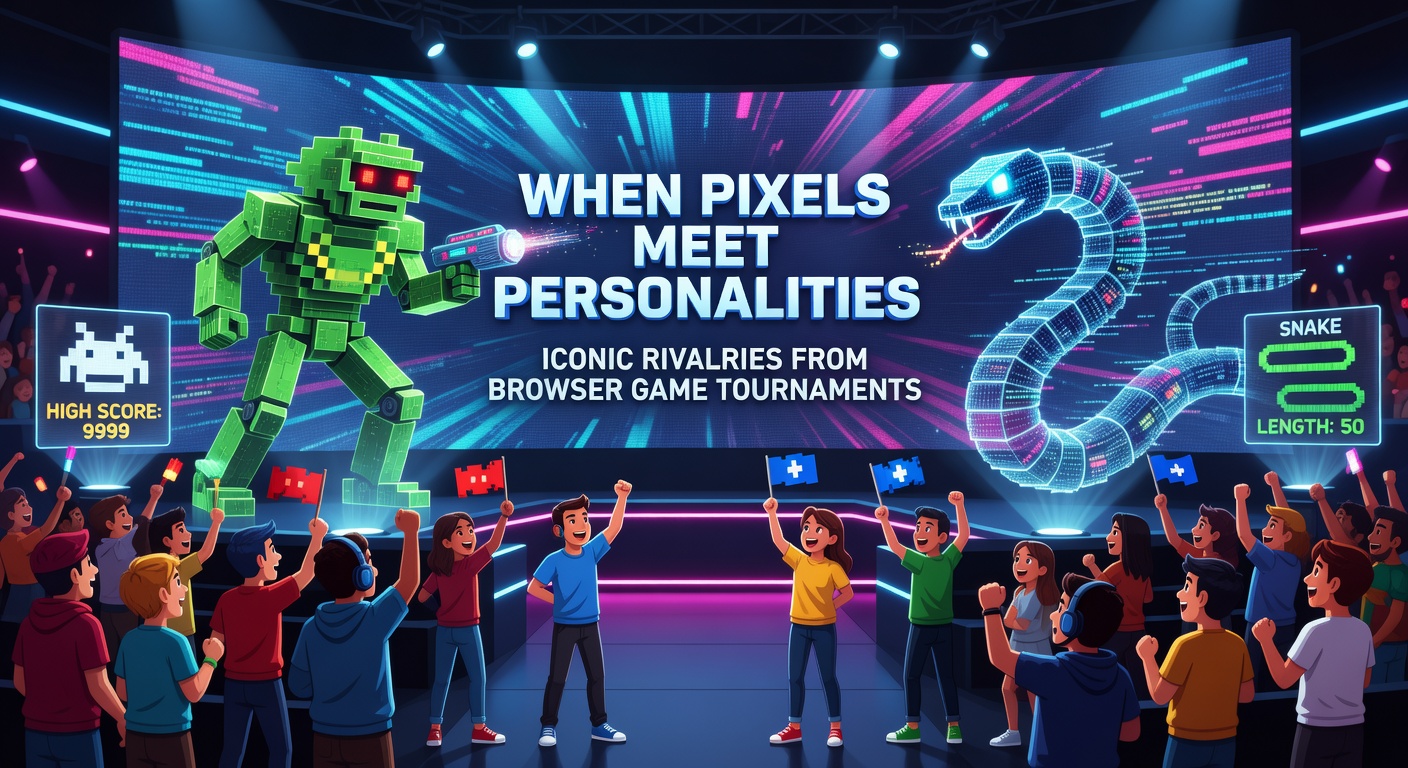
The Rise of Browser Game Battles
Browser games burst onto the scene around 2015, transforming simple web-based play into fierce competitive arenas; titles like Agar.io and Slither.io drew millions, spawning informal leaderboards that quickly evolved into structured tournaments. Players, often anonymous at first, built massive followings through Twitch streams and YouTube highlights, where rivalries ignited as top scores clashed week after week. Data from Esports Earnings reveals how these events distributed over $500,000 in prizes by 2020 alone, fueling egos and endless rematches. What's interesting is how personalities emerged from pixels—trash talk in chat logs turned personal, strategies dissected in post-game analyses, and communities split into fan camps overnight.
And yet, while mobile and PC esports dominated headlines, browser tournaments carved a niche; no downloads required meant instant access, drawing casual players into pro-level drama. Observers note that peak viewership hit 100,000 concurrent watchers during Agar.io's 2016 World Championship, where rival duos traded barbs that echoed for years. Turns out, these free-to-play battles mirrored traditional sports, complete with underdog stories and revenge arcs.
Early Sparks: Agar.io's Cell Wars
Agar.io kicked it all off in April 2015 when creator Matheus Valadares released the game; within months, players merged cells to dominate arenas, but tournaments formalized the chaos by 2016. One standout rivalry pitted "AceOnline" against "SzczyptaPL"—Ace, a US-based strategist known for virus-splitting maneuvers, faced off against Szczypta, the Polish speed demon who favored mass-feeding rushes. Their semifinal clash at the Agar.io World Championship drew 250,000 views; Ace edged a 3-2 win, but Szczypta's comeback feed in game four remains a highlight reel staple, dissected across forums for its pinpoint timing.
Krunker.io's Headshot Heroes and Endless Feuds
Fast forward to 2018, and Krunker.io redefined browser gaming with its fast-paced FPS action; no installs, just browser-based gunfights that hosted the Krunker Annual Pro (KAP) series, pulling in pros from Europe and North America. Figures show KAP 2022 awarded $50,000, but the real draw was the "Phantom vs. Reaper" saga—Phantom, hailing from Canada, mastered wall-bangs and slide shots, while Reaper from Germany countered with aggressive flanks and perfect nades. Their grand final at KAP 2023 went five maps; Phantom clutched a 1v3 on Inferno, yet Reaper's revenge in overtime on Summit flipped the score 12-10, splitting the community into heated debates over who truly owned the meta.
But here's the thing: these rivalries extended beyond lobbies; Phantom streamed breakdowns calling out Reaper's "predictable peeks," prompting Reaper to drop a diss track that racked up 2 million YouTube views. Research from the European Esports Federation highlights how such personal stakes boosted engagement by 40%, turning browser tourneys into cultural touchstones.
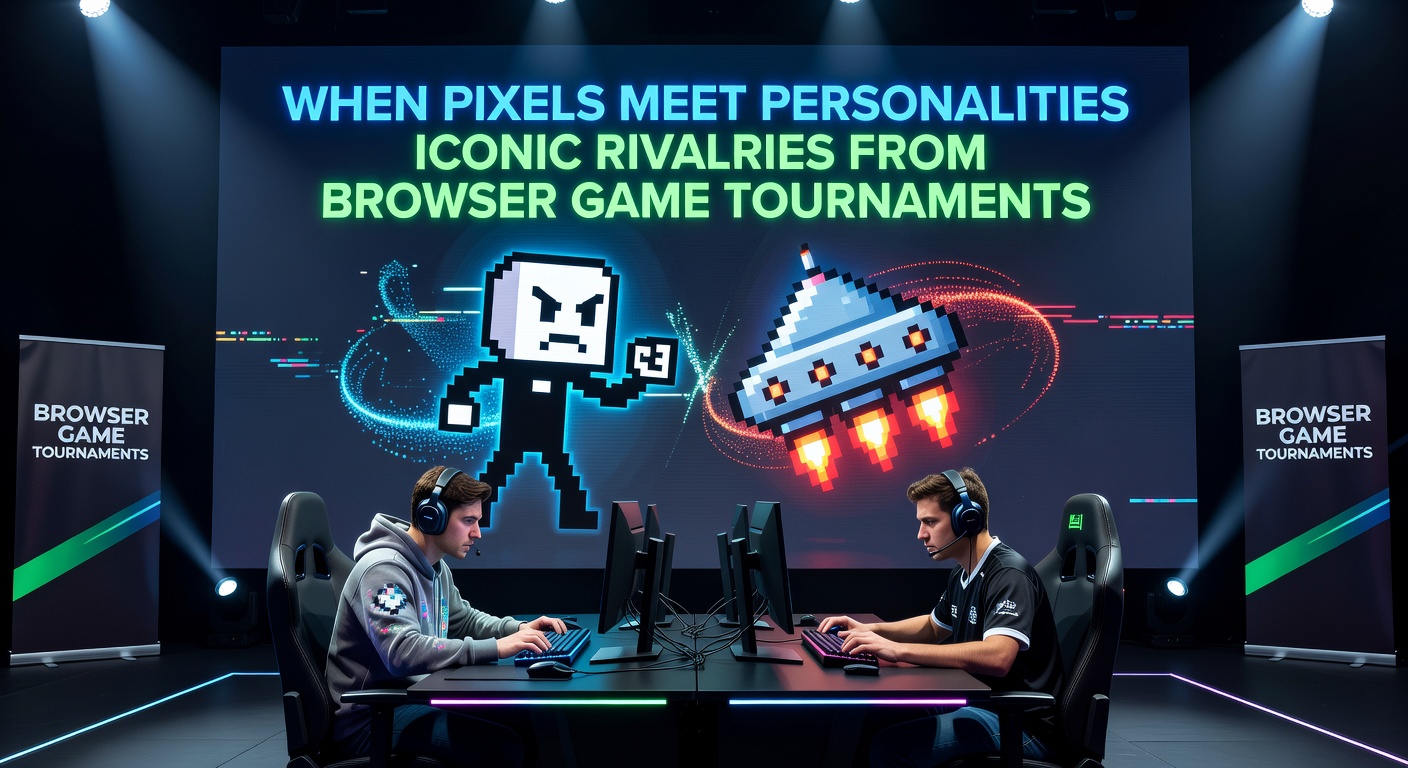
Slither.io's Serpent Showdowns
Slither.io slithered in during 2016, emphasizing length over kills; tournaments emphasized survival laps, where boosting head-on collisions decided fates. "SnakeMaster87" from Australia clashed with "CoilKing" out of Brazil in the 2017 Global Slither Cup—SnakeMaster built unbreakable coils around bait, but CoilKing's dash suicides unraveled defenses repeatedly. Their best-of-seven final lasted 45 minutes; CoilKing forced three self-collisions from SnakeMaster, clinching victory amid cheers from 80,000 live spectators. People who've studied these matches point out how audio cues from boosted rushes added psychological layers, turning sound into strategy.
Now, as browser tech advances with WebGL upgrades, these old feuds inspire newcomers; take the Diep.io Dominion series, where tank customizers like "BarrierBoss" (Sweden) and "RampageRon" (US) traded destroyer barrages in 2024 qualifiers. BarrierBoss's layered shields held off Ron's ram spam for nine rounds straight, but Ron's adapt with overlord drones sealed a dramatic reverse sweep.
Personalities Fueling the Fire
Rivalries thrive on clashing styles, yet personalities amplify them; experts have observed how pre-tourney interviews reveal mindsets—AceOnline's calm dissections contrasted Szczypta's fiery rants, drawing fans who picked sides based on vibe alone. Data indicates Twitch clips from these beefs garnered 50 million views collectively by 2025, while Discord servers ballooned to 100,000 members debating strats. It's noteworthy that women players like "PixelQueen" in Krunker disrupted boy-club dynamics; her rivalry with top fragger "HeadshotHavoc" in 2025's ladies bracket qualifier showcased precision flicks over spray, ending in a 1v1 tie that demanded a rematch clause.
And so it goes in other titles; Shell Shockers' egg warriors saw "YolkYeller" (UK) versus "ShellShatter" (Japan), where Yolk's trap setups met Shatter's airborne grenades in the 2024 Egglympics. Shatter's upset victory—flipping a 10-2 deficit with clutch egg revives—spawned memes that trended worldwide, proving browser games level borders effortlessly.
Tournament Evolution and Global Reach
By 2026, browser esports matured further; organizers integrated VR previews and AI anti-cheat, expanding to hybrid events. April 2026 brings the Browser Battle Royale Invitational in Berlin, pitting Krunker vets against Agar.io legends in cross-game formats—expect Phantom and Szczypta rematching after a decade, with $100,000 on the line. Studies found that such longevity keeps viewership steady, as fans tune in for history rather than hype. Observers note how regional qualifiers from Australia to the EU foster diverse metas; North American aim duels contrast Asia's macro plays, colliding spectacularly on global stages.
That said, challenges persist—lag spikes and ad-blocker bans test organizers, but innovations like cloud rendering smooth them out. One case saw a 2025 Wingz.io tourney halted by server meltdowns during "AeroAce" vs. "GustGuru," only for a decentralized redo to break attendance records.
Legacy of Pixelated Passion
These rivalries don't just entertain; they shape careers and communities. Take AceOnline, who transitioned to coaching after Szczypta's upsets, mentoring talents now topping leaderboards. Figures reveal browser pros average 50,000 monthly subs, parlaying rival heat into sponsorships from energy drinks to peripherals. Communities thrive too; fan-run cups mimic pro formats, birthing grassroots stars who climb to majors.
Yet the core remains simple—pixels collide, personalities shine, and tournaments etch legends. As April 2026's events loom, watchers anticipate fresh beefs in emerging titles like Blitzbrawl, where fleet commanders already trash-talk positioning wars.
Conclusion
Browser game tournaments stand as proof that accessibility breeds intensity; from Agar.io's cellular frenzy to Krunker's bullet ballets, iconic rivalries blend strategy with swagger, drawing global crowds undeterred by entry barriers. Data underscores their impact—millions engaged, careers launched, metas forever shifted—while upcoming clashes in 2026 promise to refresh the canon. Those who've followed closely know the thrill lies in unpredictability; one clutch move, and underdogs topple titans, ensuring pixels keep meeting personalities in endless, electric dance.