5 Jun 2026
Whispers from the Chat: Text-Based Alliances Shaping Outcomes in Fast-Paced Multiplayer Arenas
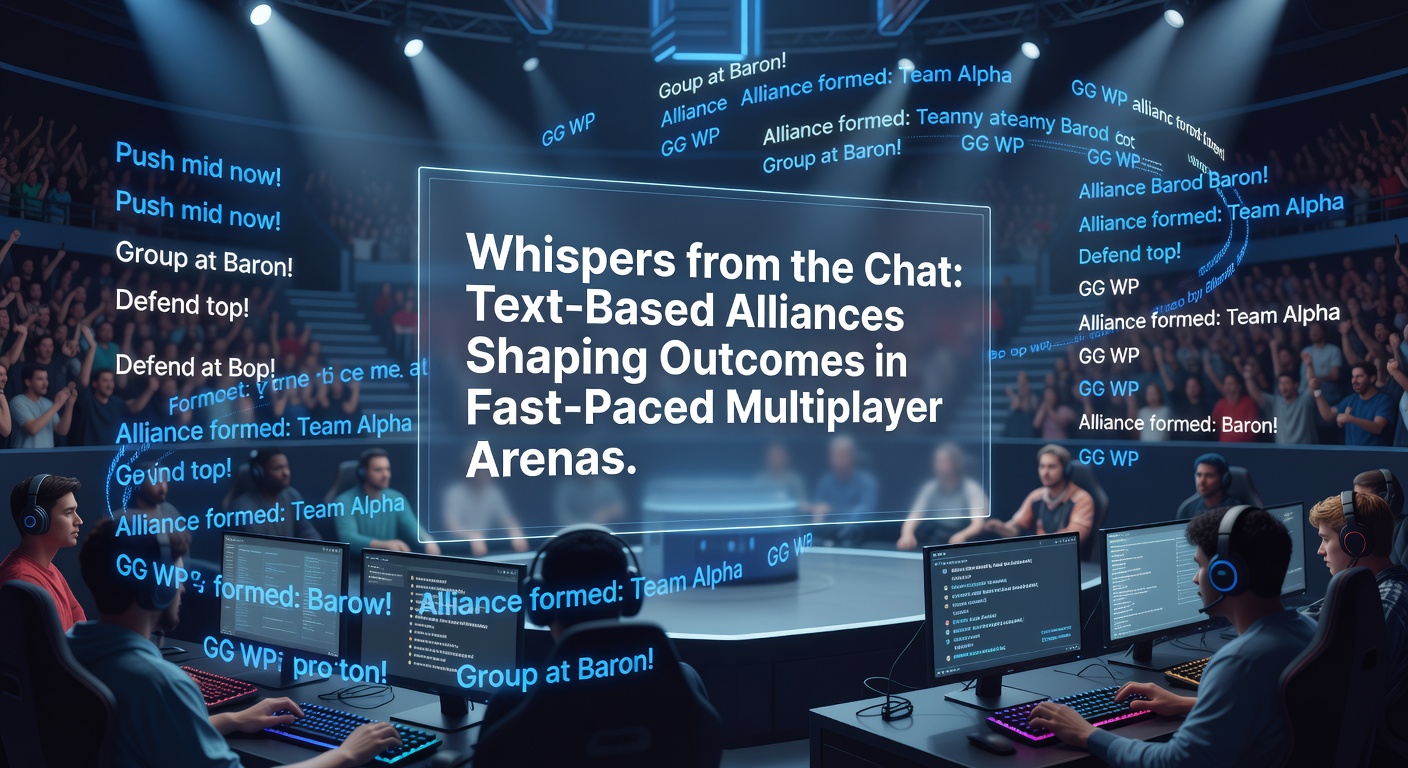
Text-based communication in fast-paced multiplayer arenas continues to drive alliance formation that directly influences match results across various platforms in June 2026. Observers note that players exchange short messages in real time to coordinate attacks, share resources, and establish temporary pacts that shift competitive balances during intense sessions lasting only minutes.
Mechanics of Text Alliances in Rapid Gameplay
Researchers from multiple studies have documented how private chat functions allow participants to bypass public channels and build focused groups without alerting opponents. Data from gaming analytics firms indicates that these exchanges often occur in the first 30 seconds of a match, leading to coordinated movements that increase win rates by measurable margins in arena-style formats.
Players frequently use coded language and abbreviations that evolve within specific communities, enabling quick decisions under time pressure. According to findings published in academic journals on computer-mediated communication, such shorthand reduces coordination time while maintaining secrecy from rival teams.
Patterns Observed Across Platforms
Analyses of tournament logs from 2025 and early 2026 reveal recurring structures where small groups of three to five players form mid-match alliances through whispered messages. These partnerships typically dissolve after objectives are met, yet they leave lasting effects on overall rankings and resource distribution.
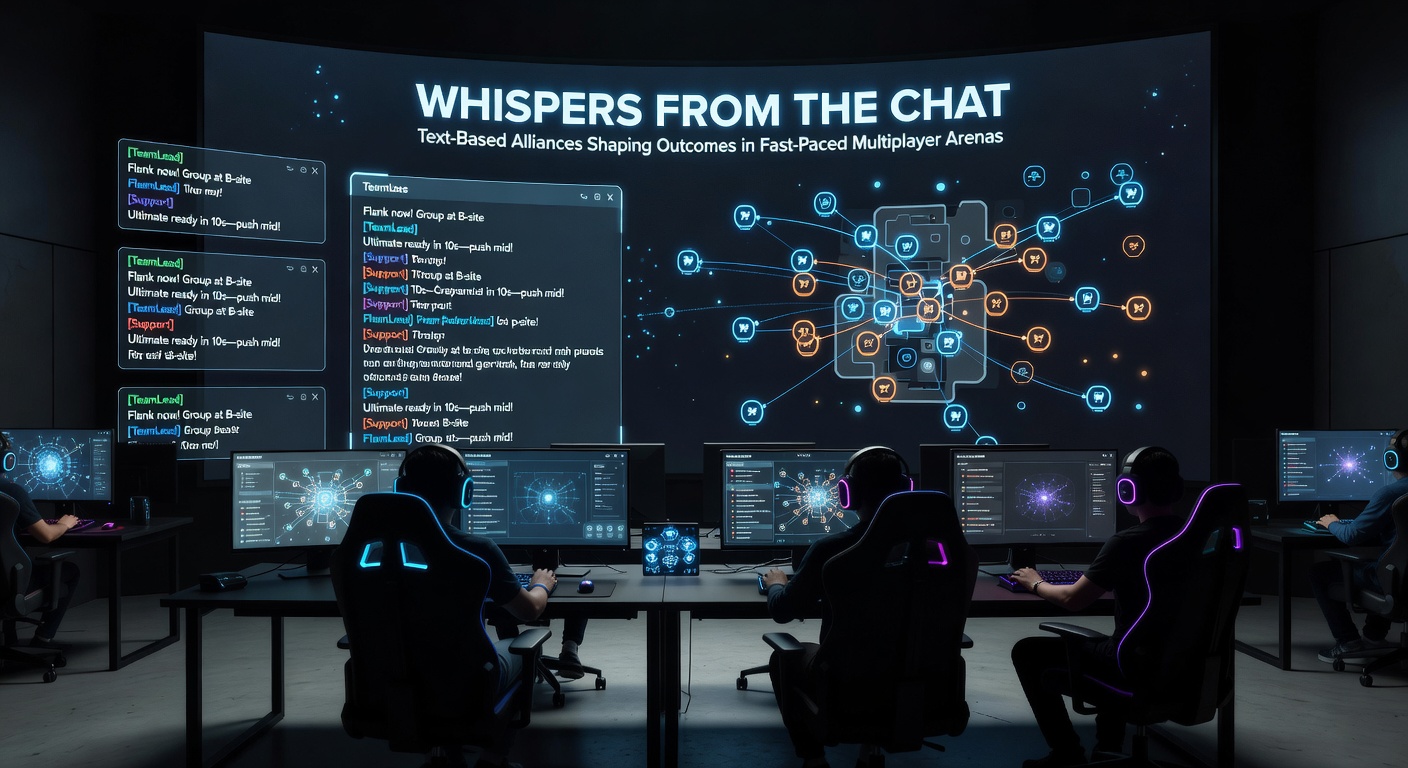
Industry reports from the Entertainment Software Association highlight that regions with high mobile penetration show elevated rates of text-driven collaboration, particularly in titles supporting cross-platform play. European data compiled by the Interactive Software Federation of Europe further shows similar trends in browser-accessible arenas where keyboard input facilitates rapid exchanges.
Impact on Match Outcomes and Strategy Evolution
Statistical reviews of thousands of matches demonstrate that alliances formed via text yield higher success in objective-based modes compared to solo approaches. Teams leveraging these communications secure key positions earlier, denying opponents access to power-ups or strategic vantage points.
Case examinations from live events in May 2026 illustrate how one group used sequential whispers to lure adversaries into traps, resulting in a documented upset against higher-ranked competitors. Such instances underscore the role of textual cues in compensating for mechanical skill gaps.
Community Adaptations and Tool Integration
Communities adapt by developing external overlays and macros that streamline text inputs during high-speed play. University-led research projects have tracked these adaptations, finding correlations between tool usage and sustained alliance effectiveness over extended play periods.
Platform updates in June 2026 introduced enhanced encryption for whispers, responding to player requests documented in feedback surveys. These changes coincide with broader industry shifts toward secure communication features that support competitive integrity without disrupting pace.
Broader Implications for Game Design
Design teams incorporate text alliance dynamics into balance patches after reviewing aggregated chat data. Metrics collected by regulatory bodies in Australia and Canada inform adjustments that prevent over-reliance on any single communication method, maintaining fairness across different player groups.
Longitudinal studies indicate that arenas encouraging such interactions experience increased retention rates, as participants value the social layers added to mechanical challenges. Evidence from these reports suggests ongoing evolution in how developers integrate chat systems to foster emergent strategies.
Conclusion
Text-based alliances remain a core element shaping outcomes in fast-paced multiplayer arenas as of June 2026. Continued examination of communication patterns provides insights into player behavior and informs future platform developments across global markets.